

Education
UF removes unauthorized H-1B job posting after state hiring freeze scrutiny
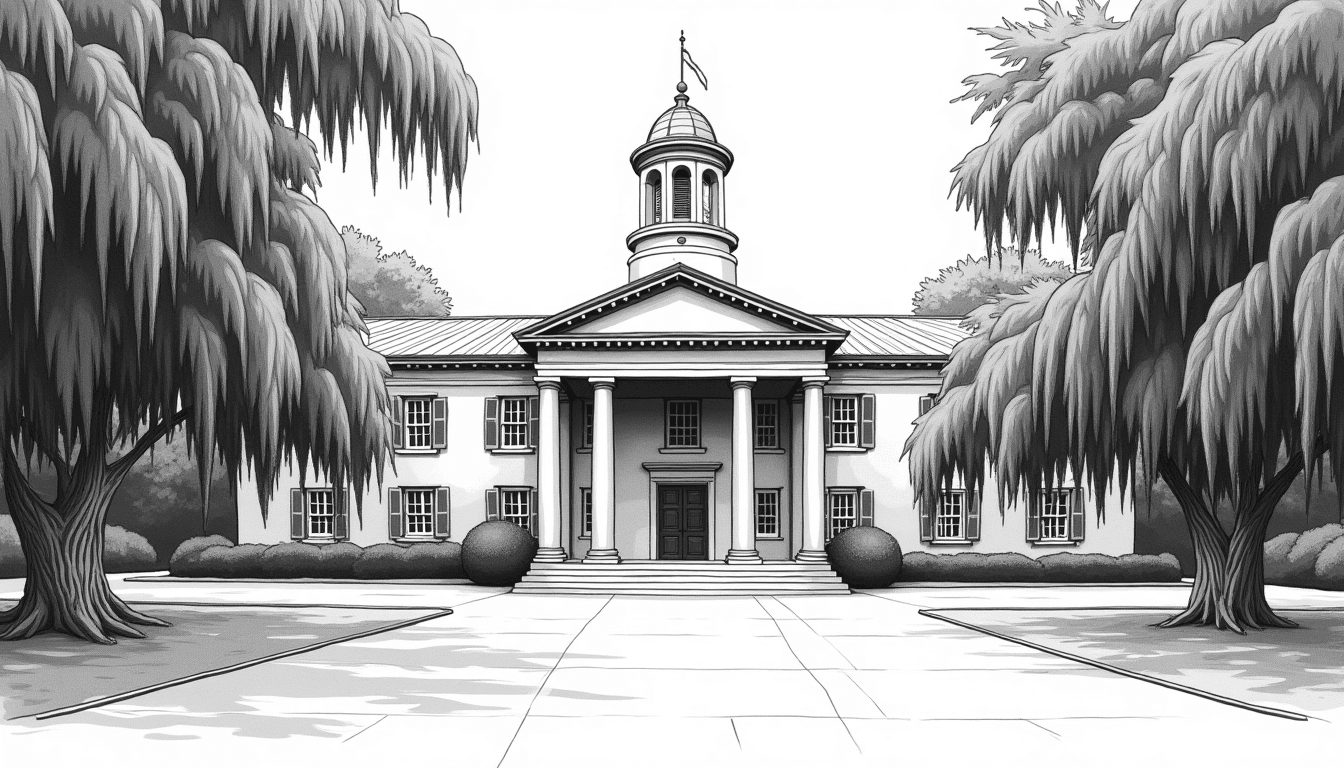
UF President Stuart Bell announced the removal of an H-1B financial analyst job posting that appeared on the university’s employment portal without his approval, saying the university would remain in compliance with state policy. The posting drew attention after a conservative journalist highlighted it in the wake of Gov. Ron DeSantis praising Florida public universities for cutting programs that prioritize foreign workers. Florida’s Board of Governors had enacted a year-long pause on H-1B visa hiring back in March, running through January 5, 2027.
Point / Counterpoint
The Ledger is neutral; these essays are not. Each side, as steel-manned as we can make it.
Point
The swift removal of UF’s unauthorized H-1B job posting, and President Bell’s firm public statement reaffirming compliance with the state’s hiring freeze, reflects sound institutional governance — not a capitulation to political pressure. The Board of Governors’ decision to pause H-1B hiring through January 2027 was a lawful exercise of oversight authority over Florida’s public universities, and Bell’s response demonstrates exactly the kind of administrative accountability that large research institutions often lack.
Florida’s public universities are funded by taxpayers who have a legitimate interest in how hiring decisions are made. When a posting that directly contradicts a stated state policy surfaces on an official employment portal, it is not a technicality — it is a failure of internal controls that could expose the university to legal and political liability. The fact that the posting was removed quickly and transparently, with a clear explanation, is the appropriate response.
Critics who frame this episode as government overreach into academic hiring ignore the distinction between academic freedom — which protects what researchers study and teach — and the administrative employment decisions of a state-funded institution. The Board of Governors does not regulate what professors write or what ideas are explored in classrooms. It regulates personnel policy at institutions it is legally responsible for overseeing. That is a meaningful distinction that universities benefit from when it suits them and conveniently blur when it doesn’t.
UF’s ability to attract federal research dollars, maintain accreditation, and recruit top faculty depends on its credibility as a well-governed institution. An employment portal that posts filings in contradiction of board policy — whether through negligence or quiet defiance — undermines that credibility. Bell’s public accountability here sets the right precedent: policy compliance is not optional, and unauthorized actions by staff will not be quietly buried.
Counterpoint
The episode at UF reveals something troubling not about the unauthorized posting itself, but about the environment in which it became a political flashpoint. A financial analyst job listing — a routine administrative hire — was plucked from a university employment portal, amplified by a conservative journalist, and leveraged to demonstrate ideological compliance by a university president. That sequence of events should concern anyone who values the independence of public higher education.
The Board of Governors’ year-long H-1B hiring pause is itself a contested policy. H-1B visas are used by universities not to displace American workers, but to fill highly specialized roles — in finance, research administration, and technical fields — where the applicant pool is genuinely global and competitive. A blanket pause on this hiring pathway does not protect American workers; it handicaps Florida institutions in a talent market where peer universities in other states face no such restriction. Over the course of the pause, positions go unfilled or are filled by less qualified candidates, and the cumulative effect on research output and institutional competitiveness is real.
President Bell’s statement, while administratively defensible, carries a discouraging undertone for faculty, researchers, and staff from abroad who have built careers at UF. When a university president’s public communications are shaped by the need to signal compliance with a governor who has made political sport of immigration and diversity policy, the chilling effect extends far beyond any single job posting. Talented international scholars and administrators watch these signals carefully when deciding where to build their careers.
The deeper issue is governance structure. Florida’s Board of Governors holds sweeping authority over twelve public universities, and its policy decisions — including this hiring pause — are made without the direct input of faculty senates, department chairs, or the academic communities most affected. A one-year pause that treats all H-1B positions as equivalent, regardless of field, function, or institutional need, substitutes political symbolism for nuanced workforce policy. The episode at UF is a small symptom of a larger structural problem: when political winds determine personnel policy at public universities, institutional excellence is the casualty.
Sources: WCJB TV20 · The Gainesville Sun · The Independent Florida Alligator