

Education
Alachua County School Board rejects Citizens Field purchase, seeks alternatives
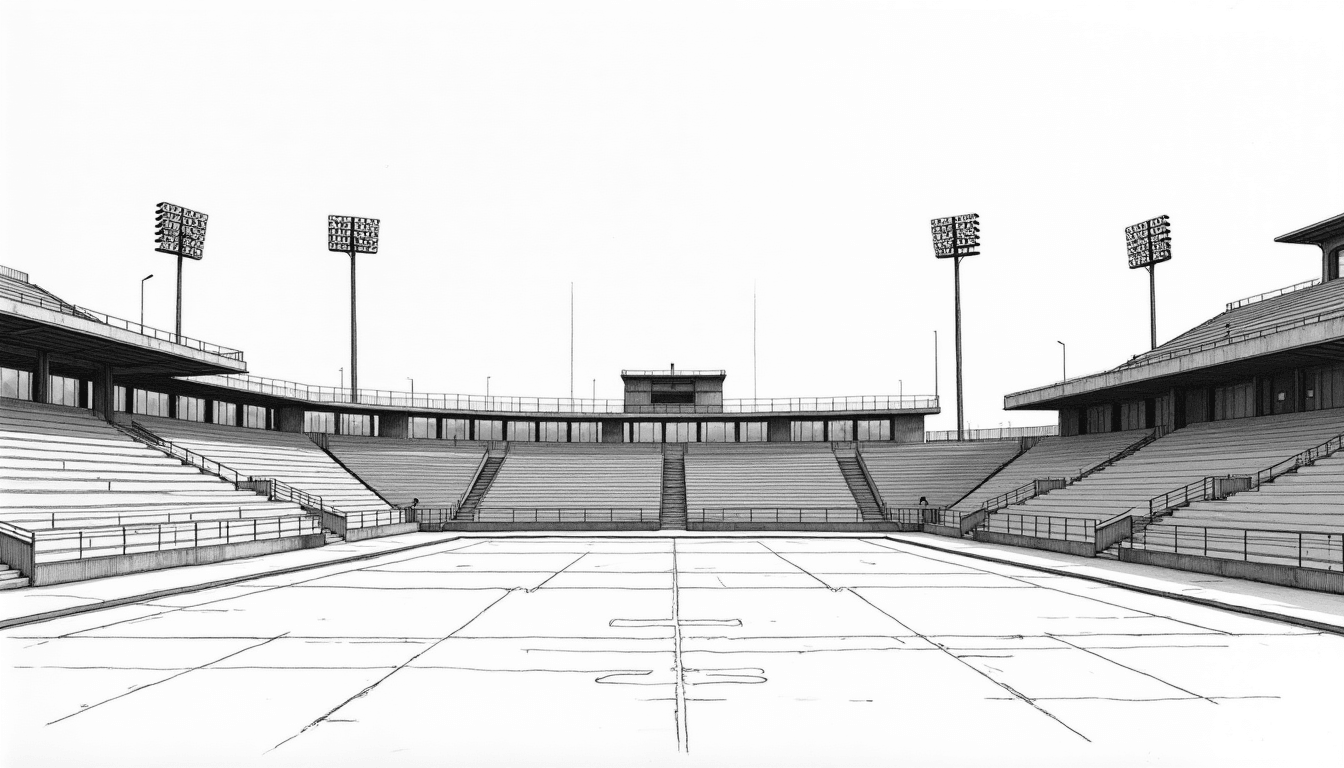
The Alachua County school board voted against buying Citizens Field from the city of Gainesville, with most members citing concerns about cost, lack of public input, and the site’s brownfield contamination status. A full demolition and rebuild of the stadium — shared by Buchholz, Eastside, and Gainesville high schools — could run as high as $25 million according to district documents. The board voted 4-1 to direct staff to evaluate all remaining options, including a possible three-stadium approach, before making any further decision.
Point / Counterpoint
The Ledger is neutral; these essays are not. Each side, as steel-manned as we can make it.
Point
The Alachua County School Board made the right call in rejecting the Citizens Field agreement, and the 4-1 vote reflects prudent stewardship of public money and a reasonable demand for more information before committing to a deal that carries serious risks.
The contamination issue alone should give any responsible board pause. A brownfield designation means there is known or suspected environmental contamination on the site — and entering into a purchase agreement for property that may require costly remediation before it can safely host thousands of students is not a risk to take lightly. Environmental cleanup costs are notoriously difficult to predict, and a district that signs on without fully understanding its liability could find that the $25 million demolition-and-rebuild estimate is a floor, not a ceiling.
The public input concern raised by board members is equally legitimate. Stadium deals of this magnitude — affecting three high schools and potentially reshaping a significant city-owned property — deserve community deliberation. Residents, parents, and taxpayers should have a meaningful opportunity to weigh in before the district commits to a major capital expenditure. Approving an agreement without that process would undermine the board’s accountability to the communities it serves. The board’s decision to pump the brakes and seek a full presentation of all available options is exactly the kind of oversight the public should expect from its elected officials.
Finally, the board’s reluctance to enter a working relationship with the city of Gainesville on these terms is not mere obstruction — it reflects the reality that intergovernmental agreements carry their own complications, especially when the terms are not yet fully defined. Directing staff to evaluate a broader range of alternatives, including a three-stadium scenario, opens the door to solutions that may serve the district’s students more effectively and at lower long-term cost than inheriting an aging facility with unresolved environmental questions.
Counterpoint
The school board’s rejection of the Citizens Field agreement is a missed opportunity that could leave three high schools — Buchholz, Eastside, and Gainesville — without a clear path to adequate athletic facilities for years to come, all in the name of caution that may ultimately prove more costly than action.
Citizens Field has served the community for decades, and the city’s willingness to transfer it to the school district represents a rare alignment of municipal and educational interests. Brownfield concerns, while real, are manageable with proper due diligence; brownfield remediation programs exist at both the state and federal level specifically to help public agencies navigate contaminated sites, and the designation itself does not mean the property is unusable. Rejecting the agreement outright rather than conditioning it on satisfactory environmental review forfeits the district’s leverage at the negotiating table and sends the process back to square one.
The cost argument also deserves scrutiny. Yes, a full demolition and rebuild could approach $25 million — but that figure assumes the worst-case scenario. A phased approach, targeted renovations, or a shared-cost agreement with the city could spread the financial burden significantly. By contrast, the “evaluate all options” directive the board approved kicks the problem down the road with no guarantee that the alternatives will be cheaper or more viable. The three-stadium option the board floated would require acquiring or developing additional sites — a process with its own environmental reviews, land costs, and community debates.
The board’s stated reluctance to work with the city of Gainesville is perhaps the most troubling element of Tuesday’s vote. The schools and the city are not adversaries; they share the same taxpayers and many of the same students. A posture of institutional distrust toward the city is not a governing philosophy — it is an obstacle. The board’s dissenting member, Tina Certain, was right to vote against the direction the majority chose. Students who depend on Citizens Field for athletic competitions deserve a board that negotiates hard for good terms, not one that walks away from the table.
Sources: The Independent Florida Alligator · WCJB TV20 · Mainstreet Daily News