

City
Gainesville commission bans roam towing, raises booting fine to $80
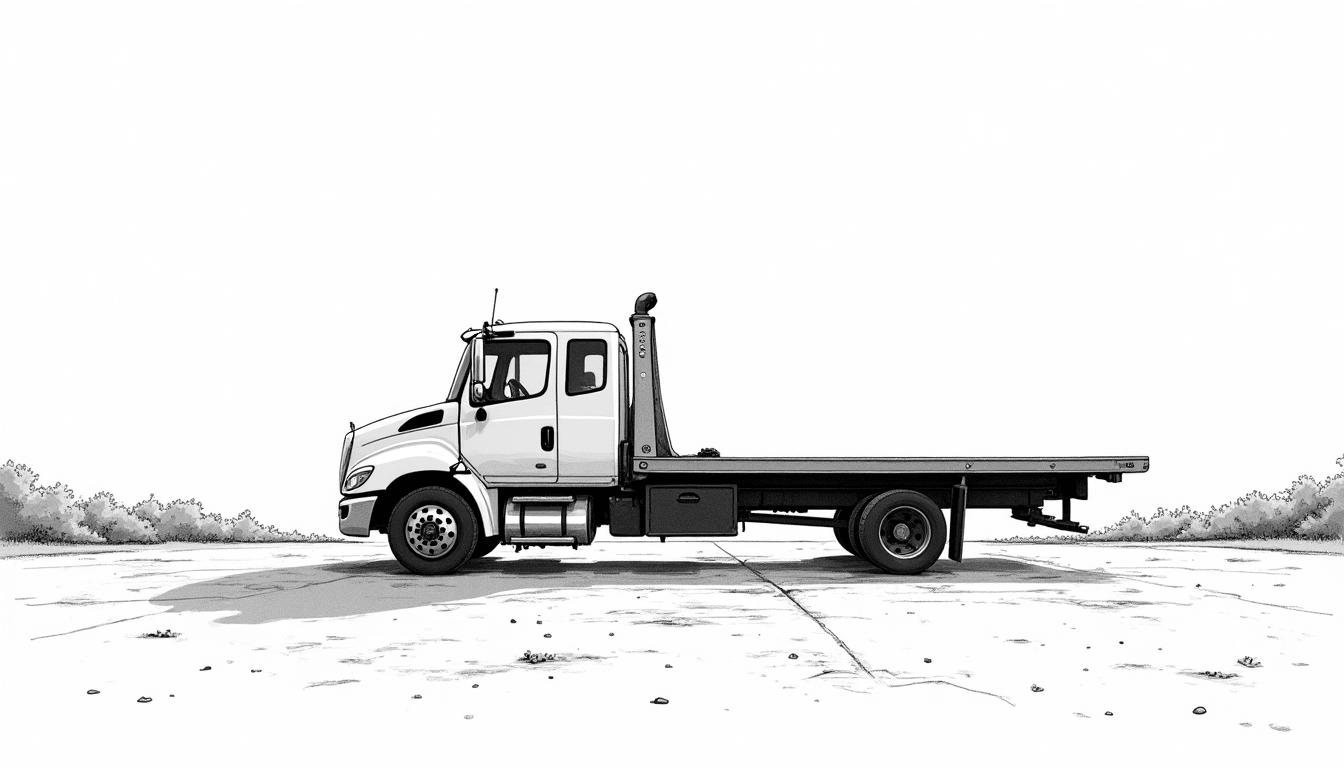
The Gainesville City Commission voted 5-2 to prohibit roam towing within city limits, acting on a review of its towing and immobilization ordinance that began last month. Commissioners also approved raising the fine for booting vehicles from $65 to $80, while the trespass towing fine stands at $160. The mayor cited a high volume of resident complaints as the driving force behind the commission’s decision.
Point / Counterpoint
The Ledger is neutral; these essays are not. Each side, as steel-manned as we can make it.
Point
The Gainesville City Commission’s 5-2 vote to ban roam towing reflects exactly the kind of responsive, resident-centered governance that local government exists to provide. Roam towing — in which tow operators cruise private lots looking for vehicles to snag without being dispatched by a property owner — has long been one of the most predatory practices in the parking enforcement industry. Unlike trespass towing initiated by a property owner who has a legitimate interest in keeping unauthorized vehicles off their lot, roam towing is speculative by nature: operators profit by hunting for technical violations, often targeting people who are mere minutes away from returning to their cars.
The mayor’s acknowledgment that countless complaints drove the commission to act is itself significant. When a single enforcement practice generates that volume of constituent grievance, elected officials have an obligation to investigate and respond. The 5-2 vote, while not unanimous, demonstrates a clear majority willing to prioritize residents and drivers over the financial interests of a towing industry segment whose business model depends on catching people off guard. A democracy functions best when elected bodies are willing to rein in private actors whose economic incentives are fundamentally misaligned with the public good.
Raising the booting fine from $65 to $80 adds a complementary layer of consumer protection. Immobilization remains a legitimate tool for property owners to manage their lots, but the previous fine was low enough to raise questions about whether it meaningfully deterred overreach or simply became a routine cost of doing business. A higher penalty signals that the city takes these enforcement actions seriously and that operators who abuse the practice face real consequences.
Critics may argue that property owners need robust tools to manage unauthorized parking, and that is a fair concern. But nothing in this ordinance prevents a property owner from calling a tow company when a genuine violation occurs. It simply eliminates the speculative, predatory variant that has no real constituency other than the operators who profit from it. The commission made the right call.
Counterpoint
While roam towing has a poor reputation — often fairly earned — a blanket city prohibition raises legitimate questions about property rights, private business regulation, and whether the cure may prove worse than the disease in some circumstances. The 5-2 vote shows this was not a unanimous judgment, and the dissenting commissioners deserve a fair hearing for their concerns.
Property owners and parking lot managers sometimes rely on roam towing precisely because they lack the staff to monitor their lots around the clock and call for reactive tows. A small business owner running a strip mall, a medical office trying to preserve parking for patients, or an apartment complex dealing with chronic unauthorized vehicles may have found roam towing to be a practical, if imperfect, enforcement mechanism. Eliminating it entirely, rather than regulating it more tightly — requiring more prominent signage, shortening the window between spotting a vehicle and calling it in, mandating body cameras on operators — forecloses options that a more nuanced ordinance might have preserved.
There is also a due process dimension worth examining. The city’s decision to revisit whether convicted sexual offenders or predators should be permitted to conduct trespass towing — a question left unresolved at this meeting — signals that regulators recognize the towing industry has real oversight gaps. But the answer to poor regulation is usually better regulation, not prohibition. A well-designed licensing regime with real teeth, operator accountability requirements, and swift dispute resolution for vehicle owners could address the complaints the mayor cited without removing a tool that at least some property owners find useful.
Finally, the fine increase for booting, while modest, sets a precedent: fines will continue to rise, and the compliance burden on operators increases accordingly. If those costs become prohibitive, some legitimate enforcement will simply stop happening, leaving property owners without recourse. The commission should monitor whether the roam towing ban produces unintended consequences in parking-scarce commercial corridors and be willing to revisit the ordinance with data in hand.
Sources: WUFT News · Mainstreet Daily News · WCJB TV20 · The Gainesville Sun