

City
High Springs to weigh fire and police department cuts at Thursday workshop
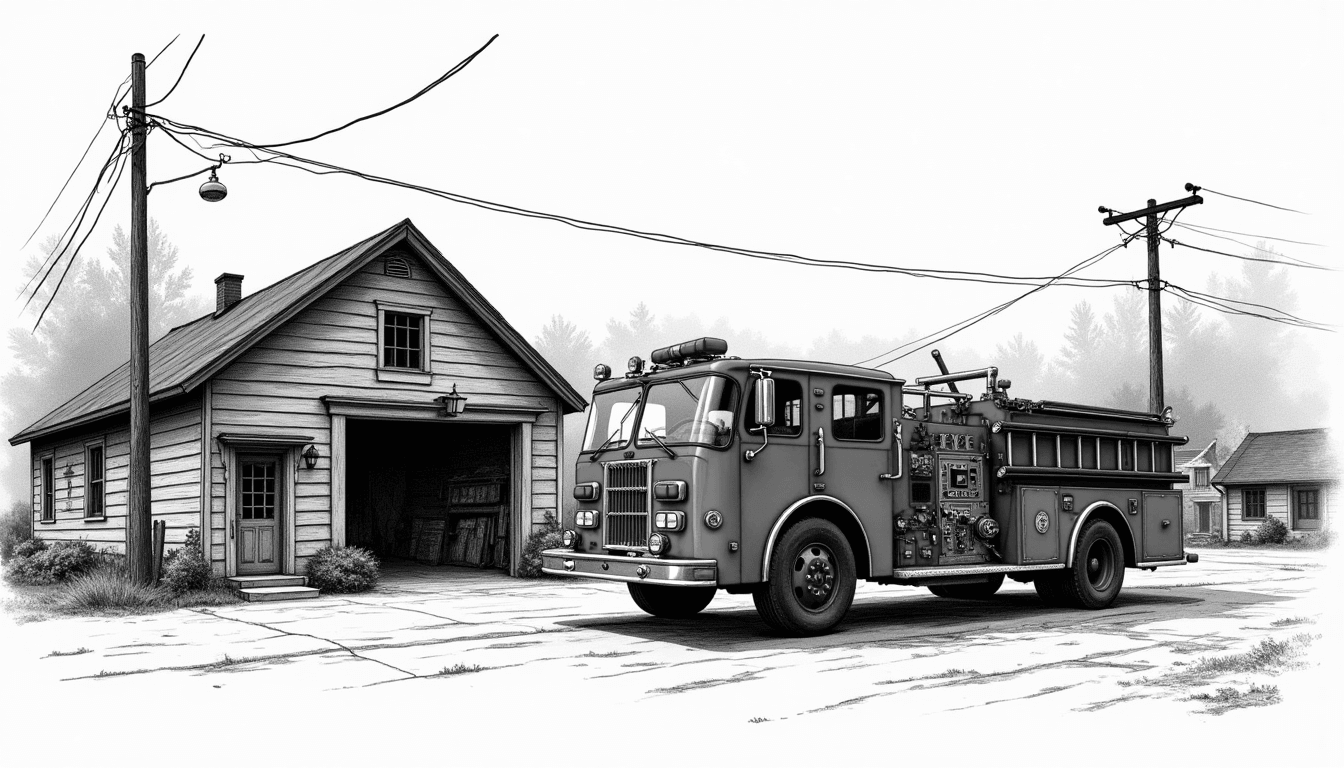
High Springs officials are scheduled to discuss the future of the city’s fire and police departments at a workshop this Thursday. The meeting comes amid pushback from residents opposed to potential service cuts, with concerns heightened by ongoing wildfires and drought conditions in the region.
Point / Counterpoint
The Ledger is neutral; these essays are not. Each side, as steel-manned as we can make it.
Point
High Springs is a small municipality operating under real fiscal constraints, and city leaders have a responsibility to ensure that public safety spending is sustainable over the long term. Calling a workshop to examine the structure of fire and police services is not a reckless act — it is the kind of deliberate, data-driven governance that taxpayers should expect. Across Florida, small cities have grappled with the rising costs of maintaining fully staffed, fully equipped emergency departments in communities that may not have the tax base to support them indefinitely. Regionalization, shared-service agreements, and consolidation with county systems have worked elsewhere, sometimes improving response capabilities while reducing costs. The workshop format itself signals that no decision has been made — officials are gathering input, not issuing cuts. That is exactly the right process.
The timing of the community concern, arriving during a period of wildfires and drought, is understandable emotionally but does not by itself settle the question of how High Springs should structure its emergency services for the next decade. Budgetary decisions cannot be held hostage to every episodic crisis; if anything, a period of heightened demand makes the case for rigorous analysis of whether current configurations are optimally deployed. A serious workshop should ask hard questions: Are staffing levels matched to actual call volumes? Could a county partnership provide faster or broader coverage? Are current administrative structures redundant?
Residents who show up to oppose cuts deserve to be heard, but they also deserve officials willing to look at the whole picture rather than defer indefinitely to the status quo. The workshop is not a threat — it is governance.
Counterpoint
There is a reason residents of High Springs showed up to push back on potential cuts to their fire and police departments, and that reason is not sentiment — it is geography and timing. The community is navigating an active period of wildfire risk and drought, conditions that make fire suppression capacity not a line item to be optimized but a life-safety imperative. Cutting or restructuring fire services in this environment sends exactly the wrong signal: that local government is willing to reduce the margin of safety precisely when that margin matters most.
Small cities like High Springs occupy a particular position in north-central Florida’s landscape — spread-out, surrounded by flammable pine flatwoods and scrub, and dependent on local responders who know the terrain and the community. Regional consolidation or county takeovers can sound efficient on paper, but they routinely introduce longer response times, reduced local accountability, and a loss of institutional knowledge that takes years to rebuild. The public record of fire service consolidations across Florida is mixed at best; several communities have found themselves with slower response metrics after merging with larger systems that spread resources across wider coverage areas.
Police services carry similar stakes. A local police force embedded in a small city builds relationships with residents, responds quickly, and answers directly to an elected city commission. Cuts to sworn officer positions — or restructuring that pushes responsibility to the Alachua County Sheriff’s Office — can erode that accountability and leave residents feeling less safe and less heard.
The public resistance to these discussions is not obstruction; it is a democratic check on a process that could have lasting consequences. Officials owe residents a clear, transparent accounting of exactly what is being considered before any workshop concludes — not after.
Sources: Mainstreet Daily News